NM Mine Fuze with MVZ-72 Firing Device
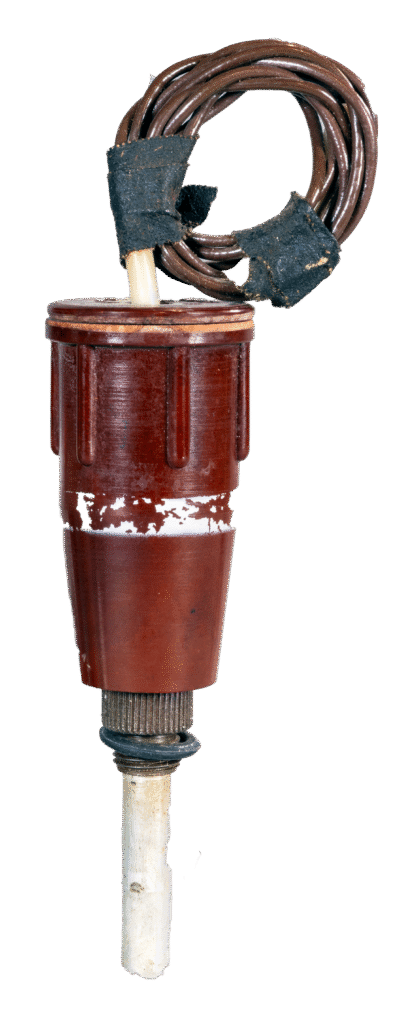
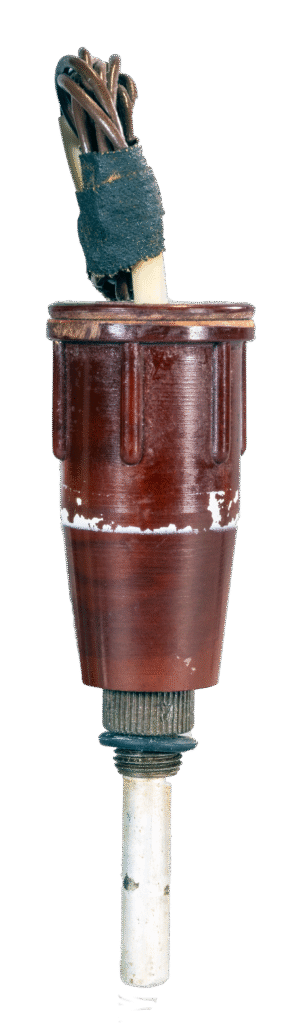
Ordnance Overview
The NM Mine Fuze (Nizkochuvstvitelnaya Mina / Low-Sensitivity Mine Fuze) paired with the MVZ-72 Firing Device represents a Soviet-era pressure-activated fuzing system designed for anti-tank mines. This combination creates a reliable, adjustable-sensitivity mine fuzing system that can be configured for different operational requirements. The NM series fuzes are mechanical pressure fuzes that initiate when sufficient force is applied to their pressure plate, while the MVZ-72 is a mechanical firing device that translates that pressure into detonator initiation. Together, they form a complete firing train for Soviet anti-tank mines, particularly the TM-series mines that were produced in massive quantities and distributed worldwide.
Country/Bloc of Origin
- Country: Soviet Union (USSR)
- Development Period: 1960s-1970s for the NM series; MVZ-72 developed in 1972
- Current Manufacturers: Russia, Ukraine, and various former Soviet states continue production of compatible components
- International Distribution:
- Supplied throughout Warsaw Pact nations
- Exported to Soviet client states in Asia, Africa, Middle East, and Latin America
- Found in virtually every conflict zone that received Soviet military support
- Licensed or copied production in several countries
Ordnance Class
NM Fuze Classification
- Primary Type: Mechanical pressure fuze for anti-tank mines
- Actuation Method: Direct pressure (vehicle wheel or track)
- Sensitivity Class: Adjustable (typically 100-300 kg pressure threshold)
- Application: Installed in anti-tank blast mines (TM-series, TMN-series, others)
MVZ-72 Firing Device Classification
- Primary Type: Mechanical detonator holder and firing assembly
- Function: Translates fuze activation into detonator initiation
- Interface: Threads into mine body, accepts NM fuze insertion
- Detonator Compatibility: Standard Soviet MD-series and other electric/non-electric detonators
System Role
- Primary Purpose: Provide reliable pressure-activated initiation for anti-tank mines
- Secondary Capability: Can be modified or jury-rigged for anti-personnel use (highly dangerous)
- Deployment: Buried mines, surface-laid mines, hasty minefields
- Targeting: Designed specifically to defeat armored vehicles (tanks, APCs, trucks)
Ordnance Family/Nomenclature
NM Fuze Series
Primary Variants:
- NM-1: Original design, simpler construction
- NM-2: Improved version with better environmental sealing
- NM-3: Enhanced reliability variant
- NM-4: Most common version, improved pressure distribution
- NM-5: Latest variant with additional anti-handling features
Related Fuzes:
- VMZ Series: Tilt-rod fuzes for side attack (tank tracks)
- VPF Series: Pull-friction fuzes for tripwire actuation
- MUV Series: Universal fuzes with multiple actuation modes
- MVSh Series: Shock-sensitive fuzes for anti-handling
MVZ-72 Firing Device
Designation: MVZ-72 (Modernizirovannoe Vzryvnoe Zapalovochnoe ustroystvo / Modernized Explosive Firing Device)
- Development Year: 1972
- Replacement For: Earlier MVZ-57 and similar devices
- NATO Reporting: Sometimes designated “Type 72 Firing Assembly”
- Variants: MVZ-72M (modified), MVZ-72A (improved sealing)
Compatible Mine Systems
The NM/MVZ-72 combination is designed for use with:
- TM-46 Anti-Tank Mine: Most common application
- TM-57 Anti-Tank Mine: Standard heavy AT mine
- TM-62 Series: Modern Soviet AT mines (TM-62M, TM-62P, TM-62B)
- TMN-46 Anti-Tank Mine: Wooden-cased variant
- TM-72 Anti-Tank Mine: Simplified production mine
- TMD-B Anti-Tank Mine: Wooden anti-tank mine
- Improvised Devices: Sometimes adapted for use with expedient mines
Hazards
Primary Hazards of the NM Fuze
Detonation Risk:
- Pressure Sensitivity: Typically set for 100-300 kg (220-660 lbs) pressure
- Pressure Plate Area: Approximately 60-80 cm² depending on variant
- Human Actuation Risk: LOW when properly set for anti-tank use (>180 kg threshold)
- Human Actuation Risk: EXTREME if modified, degraded, or improperly installed
- Hair-Trigger Potential: Corrosion, freezing, or damage can dramatically reduce required pressure
Mechanical Sensitivity:
- When armed, the fuze contains a released striker held by a pressure-sensitive mechanism
- Impact, shock, or vibration can potentially cause unintended detonation
- Frozen or corroded fuzes may become hypersensitive
- Temperature cycling can affect spring tension and sensitivity
Hazards of the MVZ-72 Firing Device
Detonator Hazard:
- Contains a live detonator (MD-5M or equivalent) when fully assembled
- Detonator is extremely sensitive to shock, heat, and friction
- Accidental detonation of the detonator alone can cause severe injury or death
- Fragment and blast hazard from the firing device assembly itself
Secondary Initiation:
- The MVZ-72 is designed to reliably initiate mine main charges (5-10 kg TNT equivalent)
- Malfunction may result in partial detonation or sympathetic detonation of adjacent mines
- Anti-handling devices frequently connected to the MVZ-72 assembly
Combined System Hazards
Complete Mine Threat:
- When installed in a mine, represents 5-10+ kg of high explosive
- Lethal radius from blast: 10-25 meters depending on mine type
- Fragmentation hazard: 50-200 meters depending on mine casing and surroundings
- Ground shock can trigger adjacent mines or detonate caches
- Cratering effect can bury or destroy vehicles
Anti-Handling Configuration:
- Common Practice: MVZ-72 often fitted with anti-lifting devices
- MUV Booby-Trap Fuzes: Pull-friction or pressure-release fuzes attached to MVZ-72
- Tilt Sensitivity: Some variants incorporate tilt switches
- Daisy-Chaining: Multiple mines may be linked; disturbing one detonates the chain
Environmental and Age-Related Hazards:
- Corrosion: Moisture infiltration can cause unpredictable sensitivity changes
- Freezing: Ice formation can jam mechanisms or create pressure on firing pins
- UV Degradation: Plastic components may become brittle
- Explosive Degradation: Mine explosive may become more sensitive with age
- Spring Fatigue: Reduced spring tension can lower pressure threshold
- False Disarmament: Fuze may appear safe but remain fully armed
UXO and Clearance Hazards
Extreme Danger Factors:
- Buried mines are invisible until excavated
- Prodding can activate the fuze if pressure threshold has degraded
- X-ray examination required but doesn’t show all anti-handling devices
- Remote neutralization is often the only safe approach
- Minefields may lack marking or documentation
- Mines may shift position due to erosion, flooding, or frost heave
Key Identification Features
NM Fuze Physical Characteristics
Dimensions:
- Total Height: 35-45 mm (1.4-1.8 inches) depending on variant
- Pressure Plate Diameter: 60-80 mm (2.4-3.1 inches)
- Body Diameter: 30-35 mm (1.2-1.4 inches)
- Thread Size: M32 × 1.5 mm (standard Soviet mine fuze thread)
- Weight: 80-120 grams depending on variant
Visual Features:
- Pressure Plate: Circular metal or plastic disk on top
- May be black, olive drab, or bare metal
- Center dimple or depression for pressure point
- Radiating grooves or ribs for pressure distribution
- Body: Cylindrical threaded body
- Material: Steel, aluminum, or plastic (variant dependent)
- External threading for installation in mine fuze well
- Safety pin hole visible in body (when present)
- Base: Firing pin channel visible at bottom
- Opening for striker to pass through to detonator
Color Coding:
- NM-1/NM-2: Usually unpainted metal or dark paint
- NM-3/NM-4: Often olive drab or black painted finish
- NM-5: May have colored band indicators (green, red) for sensitivity setting
- Markings: Cyrillic text stamped or molded on body
- “NM” designation
- Lot number and production date
- Factory code
- Sensitivity setting indicators (some variants)
MVZ-72 Firing Device Physical Characteristics
Dimensions:
- Total Length: 40-50 mm (1.6-2.0 inches)
- Body Diameter: 32-35 mm (1.3-1.4 inches)
- Detonator Well Depth: 20-25 mm
- Thread Type: M32 × 1.5 mm external (matches mine fuze well)
- Weight: 40-60 grams (without detonator)
Construction:
- Material: Brass, steel, or aluminum body
- Finish: Natural metal, painted, or oxidized finish
- Design: Two-piece assembly
- Threaded body that screws into mine
- Detonator holder cap with central firing pin channel
Distinctive Features:
- Top Opening: Accepts NM fuze insertion from above
- Detonator Well: Threaded or friction-fit opening for detonator insertion
- Alignment Grooves: Ensure proper NM fuze orientation
- Base Seal: Rubber or fiber gasket (when present) to seal against moisture
- Witness Holes: Small holes may be present for checking assembly
Markings:
- “MVZ-72” stamped on body
- Production date codes
- Factory identification marks
- May have “MB” (Взрыватель / Vzryvatel = Fuze) markings
Assembly Recognition
Complete NM/MVZ-72 Assembly (When Visible):
- NM fuze pressure plate visible at top surface of mine
- MVZ-72 body threads into mine fuze well (not normally visible when installed)
- Detonator inserted through bottom of MVZ-72 into booster charge
- Overall profile: Low-profile pressure plate flush with or slightly above mine surface
Field Identification Clues:
- Circular pressure plate 6-8 cm diameter on top of mine
- May be slightly raised above mine surface
- Dirt, leaves, or camouflage materials often obscure the plate
- Tripwires or anti-handling devices may radiate from mine body
- Disturbed earth or vegetation patterns around mine location
Fuzing Mechanisms
NM Fuze Operating Principle
Mechanical Pressure Activation:
The NM fuze operates on a spring-loaded striker principle:
- Safe Configuration:
- Fuze is shipped with safety pin installed
- Striker spring is compressed but held by safety mechanism
- Pressure plate is mechanically locked
- Arming Sequence:
- Mine is positioned and MVZ-72 is installed in fuze well
- Detonator is inserted into MVZ-72 from below
- NM fuze is threaded into top of MVZ-72
- Safety pin is carefully removed
- Pressure plate is now held only by shear pins or pressure-sensitive mechanism
- Activation Mechanism:
- Vehicle wheel or track applies pressure to pressure plate
- Pressure overcomes shear pins (typically 100-300 kg threshold)
- Pressure plate collapses inward
- Striker spring is released
- Striker travels downward through firing pin channel
- Detonation Train:
- Striker impacts primer cap in MVZ-72
- Primer flash ignites detonator in MVZ-72
- Detonator initiates mine booster charge
- Booster detonates mine main charge
- Total time from pressure to detonation: 10-50 milliseconds
MVZ-72 Firing Device Function
Detonator Interface:
- MVZ-72 accepts standard MD-5M or MD-2 detonators
- Detonator is inserted into threaded well in MVZ-72 base
- Firing pin from NM fuze must align precisely with detonator
- Primer composition in detonator is impact-sensitive
Firing Pin Channel:
- Central bore through MVZ-72 body allows striker passage
- Alignment critical for reliable initiation
- Channel may have protective cap when not assembled (removed during installation)
Booster Interface:
- Bottom of MVZ-72 contacts mine booster charge
- Detonator output faces booster explosive
- Physical contact or small air gap (design dependent)
Sensitivity Adjustments
NM-4 and NM-5 Variants:
- Some versions allow sensitivity adjustment via shear pin selection
- Heavier shear pins = higher pressure required
- Typically 3-4 settings available:
- Low Sensitivity: 250-350 kg (for heavy tanks)
- Medium Sensitivity: 150-250 kg (for APCs and trucks)
- High Sensitivity: 100-150 kg (for light vehicles)
- Maximum Sensitivity: <100 kg (dangerous, may activate under personnel)
Adjustment Procedure:
- Fuze must be disassembled (extremely dangerous on armed mine)
- Shear pins replaced with different weight/material
- Reassembly requires precise alignment
- Should only be performed by trained engineers before mine emplacement
Environmental Compensation
Temperature Effects:
- Spring tension varies with temperature
- Cold weather may increase required pressure
- Hot weather may decrease required pressure
- Range: approximately ±20% variation across -40°C to +50°C
Moisture Protection:
- O-rings or gaskets seal fuze body (when present)
- Pressure plate may have drainage holes
- Long-term burial degrades seals
- Corrosion can jam or sensitize mechanism
Anti-Handling Features
Integral Anti-Disturbance (NM-5):
- Tilt-sensitive mechanism in some variants
- Activates if mine is lifted or tilted beyond threshold
- Ball-bearing or mercury switch principle
- Adds significant danger to mine clearance
External Anti-Handling Devices:
- Pull-Friction Fuzes: Attached to MVZ-72 base or mine body
- Pressure-Release Plates: Beneath mine body
- Auxiliary Tripwires: Radiating from mine to surrounding stakes
- Electronic Proximity: Magnetic or acoustic sensors (rare but documented)
Daisy-Chain Configuration:
- Multiple mines linked by detonating cord
- Activating one mine detonates entire chain
- MVZ-72 may have auxiliary detonator well for linking cord
- Multiplies effectiveness but creates UXO hazards
Reliability and Failure Modes
Expected Performance:
- Reliability Rate: >95% when properly installed and maintained
- Failure to Fire: Usually due to detonator failure, moisture infiltration, or damaged striker
- Premature Firing: Rare in new systems; increases dramatically with age and environmental exposure
- Dud Hazard: Failed mines remain fully armed and may detonate unpredictably
Common Failure Causes:
- Corrosion binding striker mechanism
- Moisture degrading detonator
- Spring fatigue reducing striker force
- Misalignment during installation
- Substandard manufacturing (especially post-Soviet production)
History of Development and Use
Development History
Origins and Motivation (1960s):
- Soviet military required standardized fuzing system for expanding anti-tank mine inventory
- Previous fuzing systems (MVM, VMZ-57) had reliability issues in extreme environments
- Need for simple, robust design suitable for mass production and use by minimally-trained personnel
- Goal: Create universal fuzing system compatible with multiple mine types
NM Series Development:
- Initial NM-1 design emphasized simplicity and reliability
- Field experience in various climates revealed weaknesses
- NM-2 and NM-3 incorporated improved sealing and corrosion resistance
- NM-4 became the standard by the 1970s with best balance of features
- NM-5 added anti-handling capabilities in response to mine clearance techniques
MVZ-72 Development (1972):
- Modernized replacement for MVZ-57 and earlier firing devices
- Improved detonator seating and alignment
- Better environmental sealing
- Simplified manufacturing process
- Designed specifically for compatibility with entire NM fuze series
Design Philosophy:
- Interchangeability: One fuze system for multiple mine types
- Simplicity: Minimal parts, easy to understand and use
- Reliability: Function in temperature extremes (-40°C to +50°C)
- Safety: Multiple safety features to prevent accidental detonation during handling
- Adjustability: Selectable sensitivity for different tactical requirements
Widespread Production and Distribution
Soviet Production (1960s-1991):
- Manufactured in massive quantities at multiple facilities
- Exact production figures classified, but estimated in the millions
- Standard equipment issued to all Soviet ground forces
- Stockpiled extensively for wartime mobilization
Warsaw Pact Production:
- Licensed production in East Germany, Poland, Czechoslovakia, Bulgaria
- Some countries developed minor variants with local modifications
- Quality control varied by producing nation
Export and Proliferation:
- Supplied to virtually all Soviet client states during Cold War
- Major recipients: Vietnam, Syria, Egypt, Libya, Angola, Mozambique, Ethiopia, Nicaragua
- Found in every Cold War-era conflict involving Soviet support
- Continues to be exported by Russia and former Soviet states
Combat Employment
Afghanistan (1979-1989):
- Extensively used by Soviet forces in defensive positions and road denial
- Emplaced in massive numbers along supply routes
- Many repurposed by Mujahideen fighters against Soviet forces
- Significant UXO contamination remains today
Iran-Iraq War (1980-1988):
- Used by both sides (Iraq received Soviet supplies; Iran captured Iraqi stocks)
- Employed in defensive barriers and counter-mobility operations
- Left extensive minefields requiring decades of clearance
Gulf War (1990-1991):
- Iraqi forces extensively used Soviet mine systems
- Coalition clearance operations encountered NM/MVZ-72 systems
- Led to improved Western mine clearance techniques
Yugoslav Wars (1991-1999):
- All factions used Soviet mine systems
- NM/MVZ-72 mines extensively laid throughout former Yugoslavia
- Ongoing clearance operations in Bosnia, Croatia, Serbia, Kosovo
Chechnya (1994-1996, 1999-2009):
- Both Russian forces and Chechen fighters employed mine systems
- Urban and rural minefields created severe humanitarian crisis
- Anti-handling devices particularly prevalent
African Conflicts (1970s-present):
- Extensively used in Angola, Mozambique, Eritrea, Ethiopia, Somalia
- Created some of world’s worst mine contamination
- Clearance efforts ongoing for decades
Middle Eastern Conflicts:
- Syrian Civil War: All sides use Soviet mine systems
- Yemeni Civil War: Legacy Soviet mines plus new employment
- Lebanon: Extensive Soviet mine contamination from various conflicts
- Libya: Mines from Gaddafi-era stockpiles widely distributed
Modern Usage and Current Status
Active Service:
- Remains in frontline service with Russian military
- Standard equipment for many former Soviet states
- Widely used by non-state actors who captured or received stockpiles
- Modern conflicts continue to see new emplacement
Stockpiles and Availability:
- Enormous stockpiles exist throughout former Soviet Union
- Military surplus and abandoned stocks widely available
- Black market availability in many conflict regions
- Corruption and poor inventory control led to widespread diversion
Humanitarian Impact:
- One of the most common mine systems encountered by demining organizations
- Estimated tens of millions remain in minefields worldwide
- Causes hundreds of casualties annually
- Economic impact: Denies use of agricultural land, blocks infrastructure development
- Psychological impact on affected communities
Technical Evolution:
- Modern Russian mines may use similar principles with updated materials
- Some newer systems use electronic fuzing but maintain MVZ mechanical backup
- Anti-handling technology has become more sophisticated
- Plastic construction increasingly common to defeat mine detectors
Impact on Mine Warfare Doctrine
Soviet/Russian Doctrine:
- Emphasized defensive minefields as force multipliers
- Standard practice: Extensive mining of defensive positions, approach routes
- Integration with anti-tank guided missiles and direct-fire weapons
- Mine warfare seen as essential to defensive operations
Opponent Adaptation:
- Western forces developed specialized mine clearance equipment (rollers, plows, explosive systems)
- Mine-resistant vehicles became priority development area
- Stand-off mine detection systems developed
- Doctrine emphasized rapid breaching rather than thorough clearance
Humanitarian Response:
- NM/MVZ-72 prevalence drove development of improved demining techniques
- Mechanical clearance systems designed specifically for Soviet mine threats
- International treaties and agreements (Ottawa Convention) motivated by Soviet mine proliferation
- Training programs worldwide focus heavily on Soviet mine systems
Post-Conflict Legacy
Clearance Challenges:
- Decades of environmental exposure create unpredictable sensitivity
- Anti-handling devices make manual clearance extremely dangerous
- Poor marking and documentation of minefields
- Vast areas contaminated requiring mechanized clearance
- Resource constraints limit clearance pace
Ongoing Casualties:
- Civilians, particularly children, continue to be killed and injured
- Agricultural workers at high risk when cultivating contaminated land
- Refugees returning to post-conflict areas encounter mines
- UXO collectors and scrap metal workers frequently casualties
Economic and Social Impact:
- Land remains unusable for agriculture or development
- Infrastructure reconstruction blocked by mine contamination
- Fear and psychological trauma in affected communities
- Migration from contaminated areas to overcrowded safe zones
- Intergenerational impact as young people leave contaminated regions
Technological Response:
- Development of improved mine detection systems
- Unmanned ground vehicles for mine clearance
- Ground-penetrating radar and acoustic systems
- Trained animals (dogs, rats) for mine detection
- Community-based mine risk education programs
Technical Specifications
NM Fuze Specifications
Physical:
- Height: 35-45 mm (variant dependent)
- Pressure Plate Diameter: 60-80 mm
- Thread: M32 × 1.5 mm
- Weight: 80-120 grams
- Material: Steel, aluminum, or plastic body; metal pressure plate
Performance:
- Activation Pressure: 100-350 kg (adjustable by variant/setting)
- Striker Travel: 8-12 mm
- Striker Impact Force: Sufficient to initiate standard percussion primers
- Operating Temperature: -40°C to +50°C
- Storage Temperature: -50°C to +60°C
Reliability:
- Design Life: 10 years (under proper storage)
- Field Life: Indefinite with proper maintenance; degrades unpredictably when buried
- Failure Rate: <5% when new; increases dramatically with age and environmental exposure
- Sensitivity Drift: ±20% over temperature range; ±50% over service life in field conditions
MVZ-72 Firing Device Specifications
Physical:
- Length: 40-50 mm
- Diameter: 32-35 mm
- Thread: M32 × 1.5 mm external
- Weight: 40-60 grams (without detonator)
- Material: Brass, steel, or aluminum
Compatibility:
- Detonators: MD-5M, MD-2, MD-9 (standard Soviet detonators)
- Fuzes: All NM series, compatible with VMZ and some other Soviet fuzes
- Mines: TM-46, TM-57, TM-62 series, TMN-46, TM-72, improvised mines
Performance:
- Detonator Initiation Reliability: >99% when properly assembled
- Firing Pin Alignment Tolerance: ±0.5 mm
- Environmental Sealing: Good when new; degrades over time
- Operating Temperature: -40°C to +50°C
Combined System Specifications
Activation Sequence Timing:
- Pressure application to detonation: 10-50 milliseconds
- Striker release to primer impact: 5-15 milliseconds
- Primer flash to detonator initiation: 1-3 milliseconds
- Detonator to main charge: 1-5 milliseconds
Reliability Factors:
- New System: >95% reliability
- After 5 Years Buried: 80-90% reliability (estimate)
- After 10+ Years Buried: 60-80% reliability (estimate)
- Failed Mines: Remain armed and dangerous indefinitely
Environmental Tolerances:
- Depth Rating: Designed for surface or shallow burial (0-20 cm)
- Moisture: Sealed against splash; degraded by immersion
- Soil Type: Functions in sand, clay, mud; may jam in frozen soil
- Vibration Resistance: Designed to resist artillery/bombing vibration
- Shock Resistance: Resistant to nearby detonations (>15 meters)
Frequently Asked Questions
Q: What makes the NM/MVZ-72 combination so reliable compared to other Soviet mine fuzing systems?
A: The NM/MVZ-72 system achieved exceptional reliability through several design features that addressed weaknesses in earlier Soviet fuzing systems. First, the modular design separated the pressure-sensitive mechanism (NM fuze) from the detonator interface (MVZ-72), allowing each component to be optimized independently. The MVZ-72’s improved detonator seating and alignment dramatically reduced misfire rates compared to earlier designs where detonator positioning was less precise. The NM fuze’s simple mechanical striker design had fewer parts to fail than complex earlier fuzes, and the shear-pin pressure mechanism was inherently resistant to false activation from nearby explosions or ground vibration. Environmental sealing was significantly improved, with O-rings and gaskets protecting against moisture infiltration—a major cause of failure in earlier Soviet fuzes. The system was also designed for “soldier-proof” installation: the threading and alignment features made it nearly impossible to assemble incorrectly. Finally, the materials and manufacturing tolerances were superior to earlier systems, reflecting Soviet industrial improvements in the 1970s. The combination of simplicity, redundancy in the firing train, and improved engineering made the NM/MVZ-72 one of the most reliable mine fuzing systems of the Cold War era, which unfortunately also made it one of the most effective and persistent mine threats in post-conflict environments.
Q: How do temperature extremes affect the sensitivity and reliability of the NM/MVZ-72 system, and why does this matter for military operations and mine clearance?
A: Temperature has several critical effects on this fuzing system that significantly impact both military effectiveness and humanitarian demining. In extreme cold (below -20°C), spring tension in the NM fuze increases, requiring more pressure to activate—potentially raising the threshold by 20-30%. This means mines set for 150 kg activation might require 200 kg in winter, potentially allowing lighter vehicles to pass safely. However, cold also makes the detonator in the MVZ-72 less sensitive, occasionally causing misfires even when the striker impacts correctly. Conversely, in extreme heat (above +40°C), spring tension decreases, lowering the activation threshold—a mine set for 200 kg might activate at 150 kg, potentially endangering lighter vehicles or even heavy personnel in some degraded systems. Heat also increases detonator sensitivity, making the entire system more responsive. For military operations, this means mines must be set with consideration for seasonal temperature ranges, and minefields laid in winter may behave differently in summer. For clearance operations, the temperature effect adds dangerous unpredictability—a mine that safely resisted prodding at one temperature might detonate at another. This is particularly hazardous because deminers often work in different conditions than when the mine was laid, and decades of thermal cycling can cause permanent changes to spring characteristics. The most dangerous scenario is freeze-thaw cycling, which can create ice formations that jam mechanisms or add pressure to firing pins, making mines hypersensitive when temperatures rise.
Q: Why are anti-handling devices so commonly attached to the MVZ-72, and what specific techniques are used?
A: The MVZ-72 firing device became a preferred attachment point for anti-handling devices because of its central position in the mine, accessibility during installation, and structural strength. Soviet mine warfare doctrine emphasized thorough defensive mining, and field manuals specifically instructed engineers to add anti-handling devices to a significant percentage of mines in any minefield. The MVZ-72’s threaded body and positioning made it ideal for several anti-handling techniques. The most common method uses a pull-friction fuze (MUV or VPF series) attached via tripwire to the MVZ-72 assembly or mine body—any attempt to lift or move the mine pulls the wire and initiates the fuze. Pressure-release fuzes placed beneath the mine activate when the weight is removed, and these often link to the MVZ-72 for detonator positioning. Tilt-sensitive devices can be integrated into the MVZ-72 assembly or attached nearby, using ball-bearing or mercury switches that activate if the mine is tilted beyond a threshold angle. More sophisticated installations use auxiliary detonator wells in the MVZ-72 for daisy-chaining multiple mines—disturbing one initiates the entire chain. In some cases, documented in Chechnya and Afghanistan, electronic proximity fuzes (magnetic or acoustic) were wired to the MVZ-72 to detect metal detectors or clearance equipment. The effectiveness of these techniques created a devastating dilemma for mine clearance: a mine that appears to have only a simple pressure fuze may have multiple hidden anti-handling devices that detonate during clearance attempts. This reality forced a shift toward remote neutralization methods—explosive disruption, mine rollers, or robotic systems—rather than manual mine lifting, significantly slowing clearance operations and increasing costs.
Q: How does the NM/MVZ-72 system compare to Western mine fuzing systems like those used in American or NATO mines?
A: The NM/MVZ-72 system and Western equivalents (such as the M606 fuze used in M15 mines or the M1 fuze for M19 mines) reflect fundamentally different design philosophies that reveal broader Soviet versus Western engineering approaches. Soviet systems prioritized simplicity, mass production, and ease of use by minimally trained personnel—the NM/MVZ-72 has fewer parts, requires less precision in installation, and is more tolerant of rough handling. Western fuzes generally incorporate more sophisticated safety mechanisms, such as multiple independent safeties and mechanical logic gates that prevent accidental activation, making them safer during transport and handling but more complex and expensive. The NM/MVZ-72’s mechanical shear-pin design is extremely simple and reliable but offers limited adjustability compared to Western systems that may have dial-adjustable sensitivity or electronic controls. Western fuzes typically include built-in anti-handling detection (tilt, lift, or tension sensors) as integral features, while Soviet doctrine treated anti-handling as a separate field modification—this gave Soviet engineers more flexibility but required additional installation steps. Environmental sealing is generally superior in modern Western systems, reflecting tighter manufacturing tolerances and better materials, but older Western fuzes were comparable to the MVZ-72. One significant advantage of the Soviet system is its true modularity—the NM fuze physically separates from the MVZ-72, allowing damaged components to be easily replaced in the field, whereas many Western systems are single integrated units that must be completely replaced if any component fails. Cost is a major factor: Soviet systems were designed for production in the millions at minimal expense, while Western systems generally cost 2-5 times more per unit. For humanitarian demining, both systems present severe challenges, but Soviet mines’ widespread proliferation and frequent anti-handling modifications make them statistically more dangerous. Ultimately, both achieve high reliability (>90%), but Soviet systems trade sophistication for simplicity, mass production, and field robustness.
Q: What are the most dangerous scenarios EOD technicians face when encountering NM/MVZ-72 equipped mines, and what procedures do they follow?
A: EOD technicians consider NM/MVZ-72 mines among the most hazardous encountered in the field due to several compounding danger factors. The most dangerous scenario is a buried mine in an unmarked minefield where the presence, exact location, and configuration are unknown—the technician has no visual reference and must use detectors or probes, either of which can accidentally activate the mine or anti-handling devices. Anti-handling devices create a compound threat: a mine may have pressure-release fuzes underneath (activating if weight is removed), pull-friction fuzes on tripwires (activating if the mine is disturbed), tilt-sensitive devices (activating if tilted), and daisy-chain linkages to adjacent mines (detonating multiple mines simultaneously). Decades-old mines present unpredictable behavior: corrosion can jam mechanisms or cause hypersensitivity; spring fatigue can lower activation thresholds to dangerous levels; environmental degradation can make any disturbance potentially fatal. Frozen mines are particularly treacherous—ice formations can create unexpected pressure on components, and warming during the day may suddenly release jammed mechanisms.
EOD procedures for NM/MVZ-72 mines follow strict protocols: First, positive identification from maximum safe distance using cameras, robots, or remote sensors. Second, mapping of all visible tripwires, disturbance indicators, and adjacent mines. Third, establishment of a minimum 50-meter exclusion zone (100+ meters for large mines or uncertain conditions). Fourth, remote neutralization is always preferred—this may involve explosive disruption (placing a charge next to the mine to destroy it in place), mechanical systems (mine rollers or plows pushed by armored vehicles), or high-pressure water jets to expose and deactivate components. Manual approach is only attempted when remote methods are impossible, and then only with extensive precautions: approach from the side (never from front where fragments would project), use of non-metallic tools to prevent electrical activation, extremely slow and deliberate movements, constant monitoring for any change in the mine’s position or appearance. If anti-handling devices are suspected, the mine is either destroyed in place or the entire area is excavated remotely. X-ray examination can reveal internal mechanisms but doesn’t show all booby-trap configurations. The fundamental principle is: when in doubt, destroy in place rather than attempt manual neutralization. The statistics are sobering—a significant percentage of EOD casualties worldwide result from anti-tank mine clearance, with Soviet systems being disproportionately represented due to their prevalence and frequent booby-trapping.
Q: How has the widespread use of the NM/MVZ-72 system influenced international efforts to ban or regulate landmines?
A: The NM/MVZ-72 system’s enormous proliferation and humanitarian impact significantly influenced the development of international landmine regulation, particularly the 1997 Mine Ban Treaty (Ottawa Convention). Several aspects of this fuzing system directly shaped treaty provisions. First, the system’s adaptability to both anti-tank and (when modified) anti-personnel roles highlighted the need for clear definitions of prohibited mines—the treaty ultimately prohibited victim-activated anti-personnel mines regardless of the fuzing mechanism. Second, the prevalence of anti-handling devices on NM/MVZ-72 mines led to treaty provisions specifically addressing mines “equipped with anti-handling devices,” though anti-tank mines (which can legally have anti-handling devices) remained outside the ban if they require >200 kg activation force. Third, the system’s extreme longevity and unpredictable degradation patterns strengthened arguments for self-destruct/self-neutralization requirements in future mine systems—the fact that NM/MVZ-72 mines from the 1960s remain functional and dangerous in 2025 demonstrated the unacceptable long-term humanitarian cost of non-self-destructing mines.
The Soviet Union’s (later Russia’s) mass production and export of NM/MVZ-72 systems—with minimal control over end-use or post-conflict clearance—became a case study in irresponsible proliferation, influencing treaty provisions on export controls and end-user accountability. Humanitarian demining organizations, particularly in Afghanistan, Angola, and Cambodia, documented the enormous economic and human costs of clearing NM/MVZ-72 mines, providing empirical evidence that drove political support for the Mine Ban Treaty. The system’s use in victim-activated configurations (particularly with tripwires and pressure-release devices) contradicted arguments that anti-tank mines were inherently different from anti-personnel mines, since both could be configured to kill individuals.
Interestingly, Russia’s refusal to sign the Ottawa Convention was partly justified by the argued necessity of anti-tank mines for defensive warfare, with the NM/MVZ-72 cited as an example of a legitimate military tool. However, the treaty’s supporters pointed to the system’s frequent improvised use against personnel and its devastating post-conflict impact as evidence that legal distinctions based on intended use were insufficient. The result is the current situation: the NM/MVZ-72 remains legal under international law when used as an anti-tank mine with >200 kg activation threshold, but illegal when configured for anti-personnel use—a distinction that is impossible to enforce in practice and irrelevant to the civilians who encounter these mines decades after conflicts end. The system thus represents the central dilemma of mine warfare: military effectiveness versus humanitarian cost, with the NM/MVZ-72’s technical success making it both a potent weapon and a catastrophic humanitarian legacy.
Q: What innovations in mine detection and clearance have been specifically developed to address the challenges posed by the NM/MVZ-72 system?
A: The enormous prevalence and specific characteristics of NM/MVZ-72 mines have driven numerous innovations in detection and clearance technology, making this system one of the primary threats that new technologies aim to defeat. In detection, the challenge is that NM/MVZ-72 systems often use plastic-bodied mines (TM-62 series) with minimal metal content—only the fuze components, detonator, and fragments are metallic. This low metal signature makes traditional metal detectors less effective, leading to development of multi-sensor systems that combine metal detection with ground-penetrating radar (GPR) to detect the mine body cavity and explosive signature. Dual-sensor detectors specifically calibrated for Soviet mine metal signatures have improved detection rates while reducing false alarms from harmless metal debris. Explosive trace detection using vapor sensors or trained animals (mine detection dogs and African giant pouched rats) specifically targets the TNT and RDX explosives common in Soviet mines, successfully identifying NM/MVZ-72 equipped mines even when buried or camouflaged.
For clearance, the anti-handling device problem drove development of remote neutralization techniques. Explosive disruption using precisely placed charges is now standard—rather than attempting to disarm mines, deminers destroy them in place using calculated explosive charges positioned by robotic systems or telescopic placement tools. High-pressure water jets excavate soil around mines without applying sufficient force to activate pressure fuzes, exposing the mine for visual confirmation of anti-handling devices before final neutralization. Mechanical clearance systems (flails, rollers, and plows) were specifically engineered to withstand NM/MVZ-72 detonations—armored mine-clearing vehicles can detonate mines in controlled sequences, clearing lanes through minefields without risking human clearance personnel.
Robotic systems, from small remotely operated vehicles (ROVs) to large unmanned ground vehicles (UGVs), can approach, excavate, and even attempt neutralization of NM/MVZ-72 mines while operators remain at safe distances. Advanced systems use manipulator arms with force feedback to gently probe soil and locate mines without applying activation pressure. Acoustic and seismic sensors that detect the characteristic resonance patterns of buried metallic and plastic objects have been developed, with algorithms specifically trained on Soviet mine signatures. X-ray and computed tomography (CT) systems can now generate 3D images of buried mines showing internal mechanisms and attached anti-handling devices, though these remain expensive and slow.
Perhaps most importantly, the NM/MVZ-72 system’s anti-handling prevalence drove development of standardized clearance protocols emphasizing remote methods—the international mine action community now universally recommends explosive disruption or mechanical clearance over manual neutralization for suspected Soviet AT mines. This represents a fundamental shift in doctrine driven largely by casualty experiences with booby-trapped NM/MVZ-72 systems. Finally, database and mapping technologies that document known NM/MVZ-72 minefield locations, combined with survivor testimony and historical military records, have improved survey accuracy and helped prioritize clearance efforts in areas with highest civilian impact. The ongoing challenge is that these technologies are expensive and slow, while the number of NM/MVZ-72 mines remaining in the ground is enormous—estimated in the millions across dozens of countries.
Q: From a purely technical standpoint, what makes the NM/MVZ-72 system’s design so effective, and what could have been done differently to reduce its humanitarian impact?
A: From a technical perspective, the NM/MVZ-72’s effectiveness stems from several brilliant engineering choices. The modular two-piece design allowed independent optimization of the pressure-sensing function (NM fuze) and detonator interface (MVZ-72), creating a system greater than the sum of its parts. The mechanical shear-pin pressure activation is elegantly simple—fewer parts mean fewer failure modes, and the physics of shear force are well-understood and predictable. The adjustable sensitivity via shear pin selection gave tactical flexibility without complicated mechanisms. The universal threading (M32 × 1.5) created true interoperability across the entire Soviet mine inventory, a logistics advantage that Western forces often lacked. The environmental tolerances (-40°C to +50°C) were genuinely impressive for a mechanical system, requiring careful spring metallurgy and seal design. The striker-to-primer-to-detonator firing train provides redundancy—even partial failures often still result in detonation. The physical separation of the NM fuze from the explosive charge via the MVZ-72 provides safety during transport while maintaining reliability in use.
However, these same technical strengths created the humanitarian catastrophe. The system’s reliability and longevity mean mines remain functional for decades, long outlasting the conflicts they were used in. The simplicity makes the system easy to emplace but equally simple to booby-trap, leading to widespread anti-handling device use. The modularity allows field modifications that increase danger. The robust construction means mines survive environmental degradation that might neutralize less well-engineered systems.
From a humanitarian perspective, several design modifications could have dramatically reduced long-term impact without significantly compromising military effectiveness: (1) Self-destruct mechanisms—adding a timer or battery-powered circuit that automatically renders mines inert after days, weeks, or months would have prevented post-conflict casualties while maintaining tactical effectiveness during active operations. This was technologically feasible in the 1970s but was rejected due to cost and doctrine. (2) Self-neutralization features—environmental degradation mechanisms that reliably disarm mines after environmental exposure would have limited mine longevity. (3) Integral anti-handling detection—rather than allowing field addition of any anti-handling device, designing controlled, predictable anti-handling into the fuze would have made clearance safer. (4) Forced high activation thresholds—designing the system to physically prevent adjustment below 200 kg would have prevented anti-personnel use. (5) Detectability features—incorporating detectable markers (even simple ferrous metal tags) would have facilitated post-conflict clearance. (6) Standardized neutralization ports—designing-in a safe neutralization method for authorized clearance personnel would have reduced clearance casualties.
None of these modifications would have significantly reduced military effectiveness in conventional warfare, but all were rejected for reasons of cost, tactical flexibility, or deliberate desire to maximize area denial and clearance difficulty. The NM/MVZ-72 thus represents a case where technical excellence in achieving military objectives directly caused humanitarian catastrophe—a pattern unfortunately common in mine warfare and a key lesson for modern weapons development.
Safety Warning
This information is provided for educational, identification, and training purposes only. All ordnance, fuzes, detonators, and explosive devices should be considered extremely dangerous and potentially lethal. Never approach, touch, or attempt to move any suspected ordnance. If you encounter suspected ordnance or mine components:
- DO NOT TOUCH OR DISTURB THE ITEM
- Mark the location if safe to do so without approaching
- Move away carefully, retracing your exact path
- Establish a safety perimeter (minimum 100 meters for mine-related items)
- Report immediately to military authorities, police, or EOD personnel
- Keep all personnel away from the area until qualified EOD technicians arrive
- NEVER attempt to remove, neutralize, or “make safe” any ordnance or fuze
The NM fuze and MVZ-72 firing device are particularly dangerous due to:
- High sensitivity when degraded or damaged
- Frequent use with anti-handling devices
- Unpredictable behavior after years of environmental exposure
- Immediate lethality if part of a complete mine assembly
Only trained and qualified Explosive Ordnance Disposal (EOD) or mine action personnel should handle, identify, or neutralize ordnance. Improvised disposal attempts by untrained individuals have resulted in numerous deaths and catastrophic injuries.
If you work in or visit areas known to have mine contamination:
- Stay on marked roads and paths
- Never touch unusual objects, even if they appear harmless
- Observe warning signs and marked minefields
- Seek local knowledge about contaminated areas
- Report suspected mines to authorities
- Educate children about mine risks